Understanding O-Ring Sizing
Decode AS568 dash numbers, metric standards, and when to go custom
The AS568 Standard
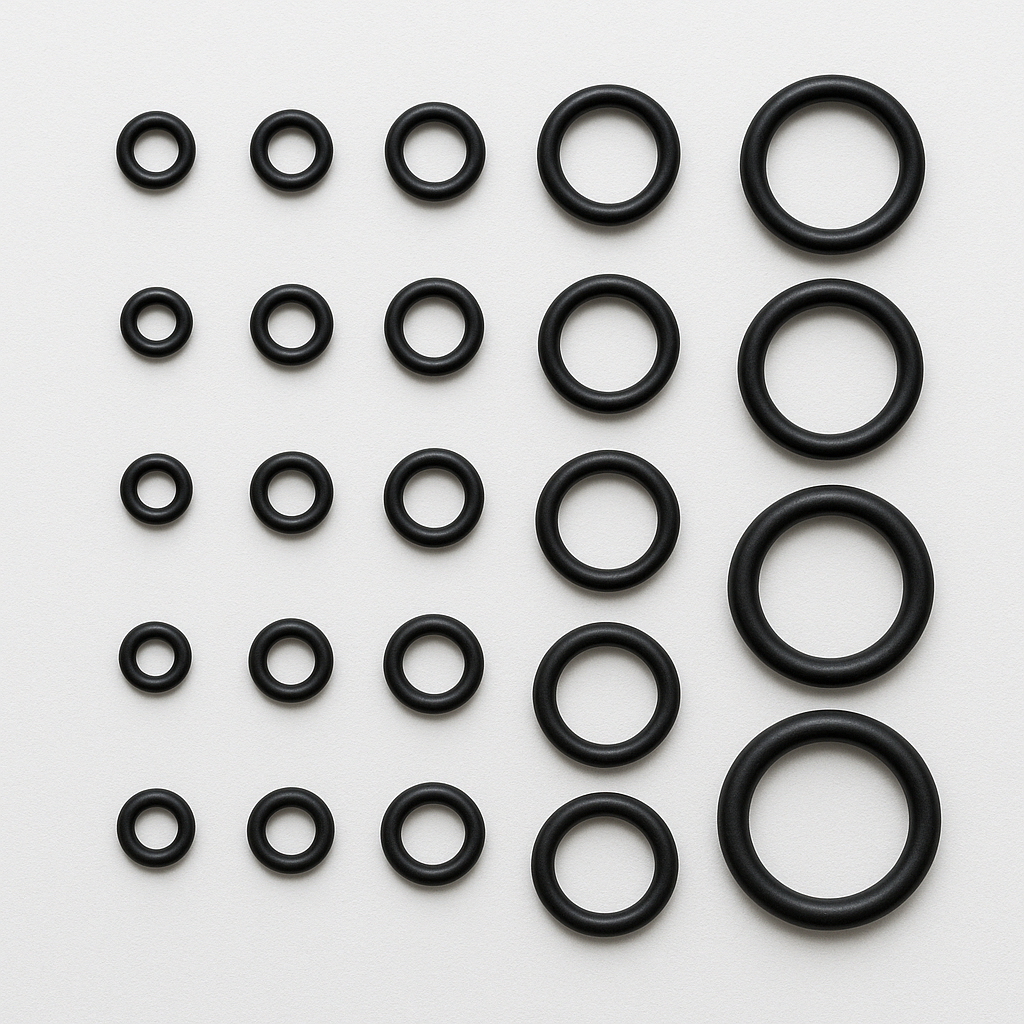
In North America, most o-rings are specified using AS568 dash numbers. This standard defines inner diameter (ID) and cross-section for hundreds of standard sizes. A dash number like -210 tells any supplier exactly what size you need without ambiguity.
The system is organized by cross-section thickness: -001 through -050 use a 1/16-inch cross-section, -101 through -178 use a 3/32-inch cross-section, -201 through -284 use a 1/8-inch cross-section, and so on.
Metric O-Rings
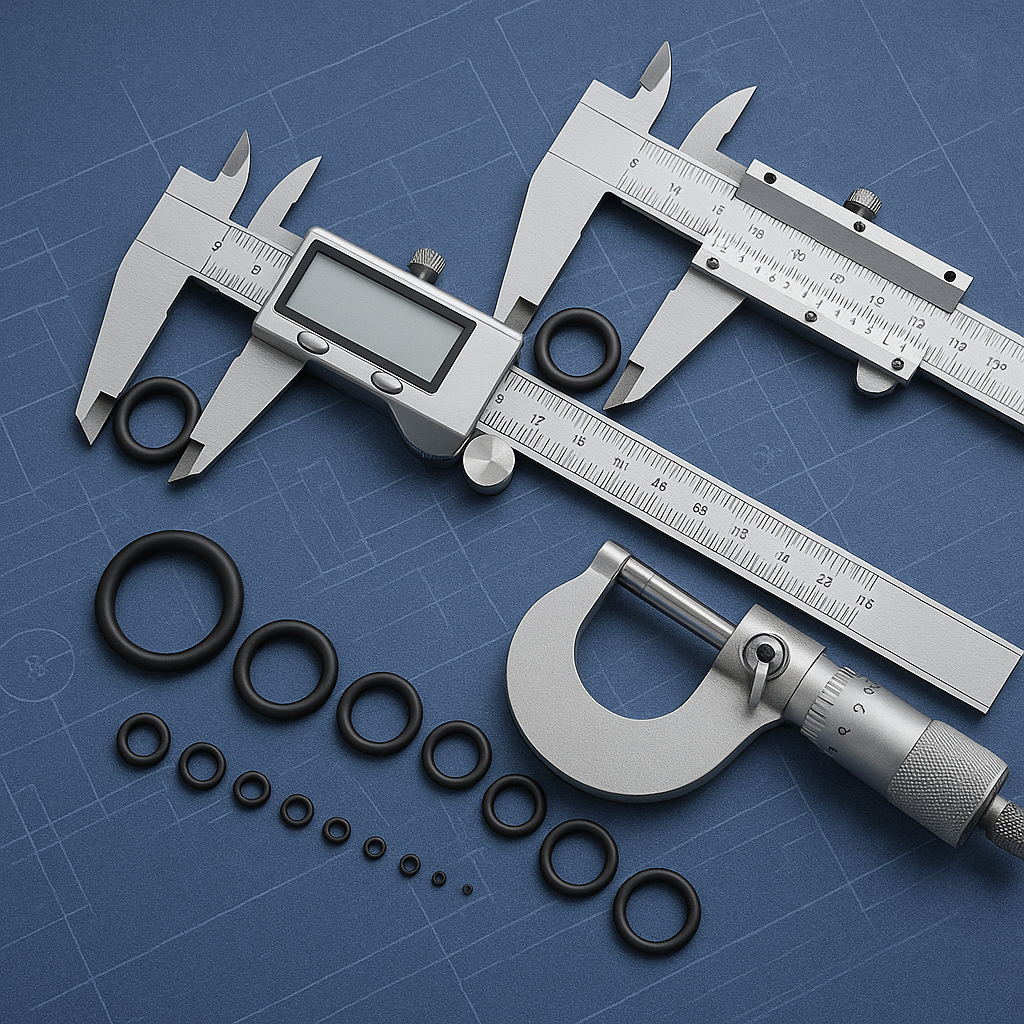
Outside North America, metric sizing is standard. Metric o-rings are specified by ID x cross-section in millimeters. While there is overlap with AS568 sizes, many metric sizes have no direct AS568 equivalent.
Getting the Right Fit
An o-ring that is too large will pinch and extrude. One that is too small will not seal. The gland design must account for the correct squeeze percentage, typically 10-30% of the cross-section depending on the application type.
When in doubt, measure the groove rather than the old o-ring. Used o-rings take a compression set and no longer reflect their original dimensions.