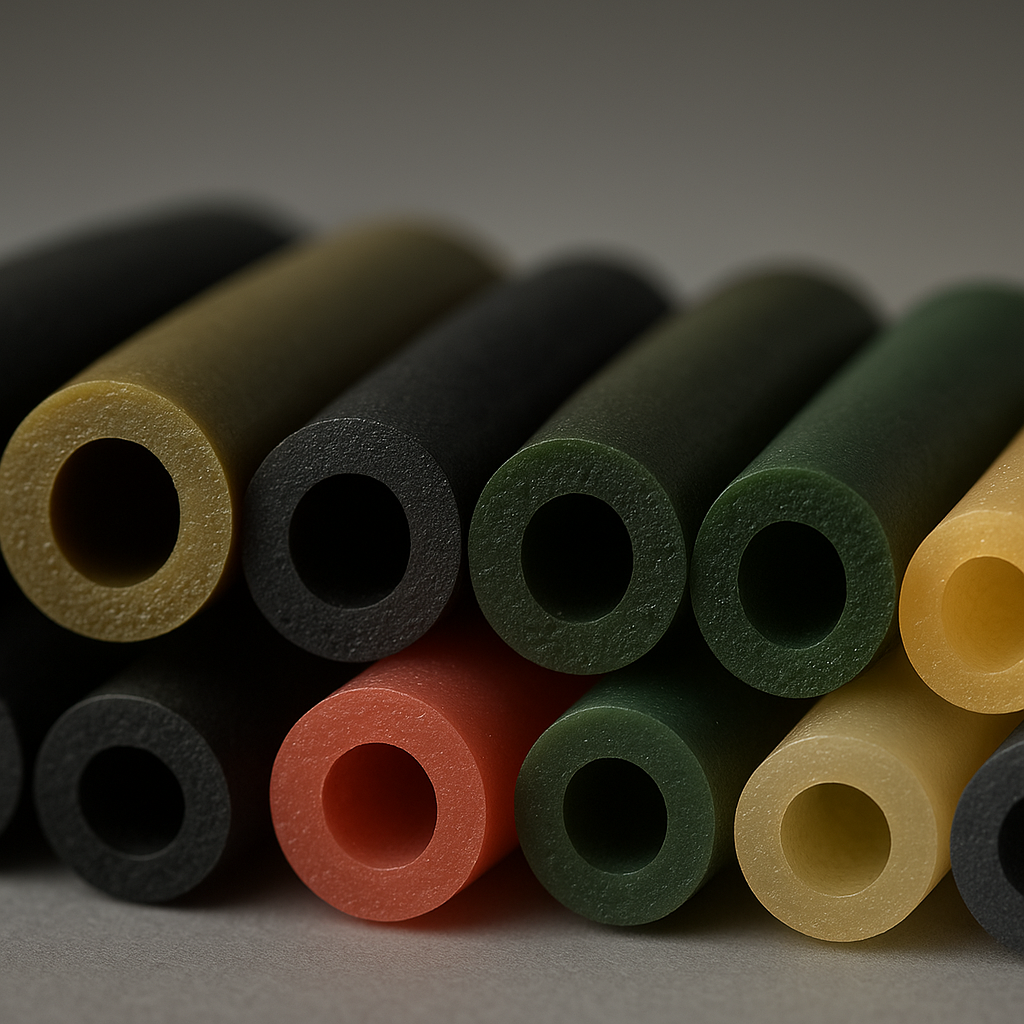
Choosing the Right O-Ring Material
A practical guide to selecting between Nitrile, Viton, EPDM, and Silicone
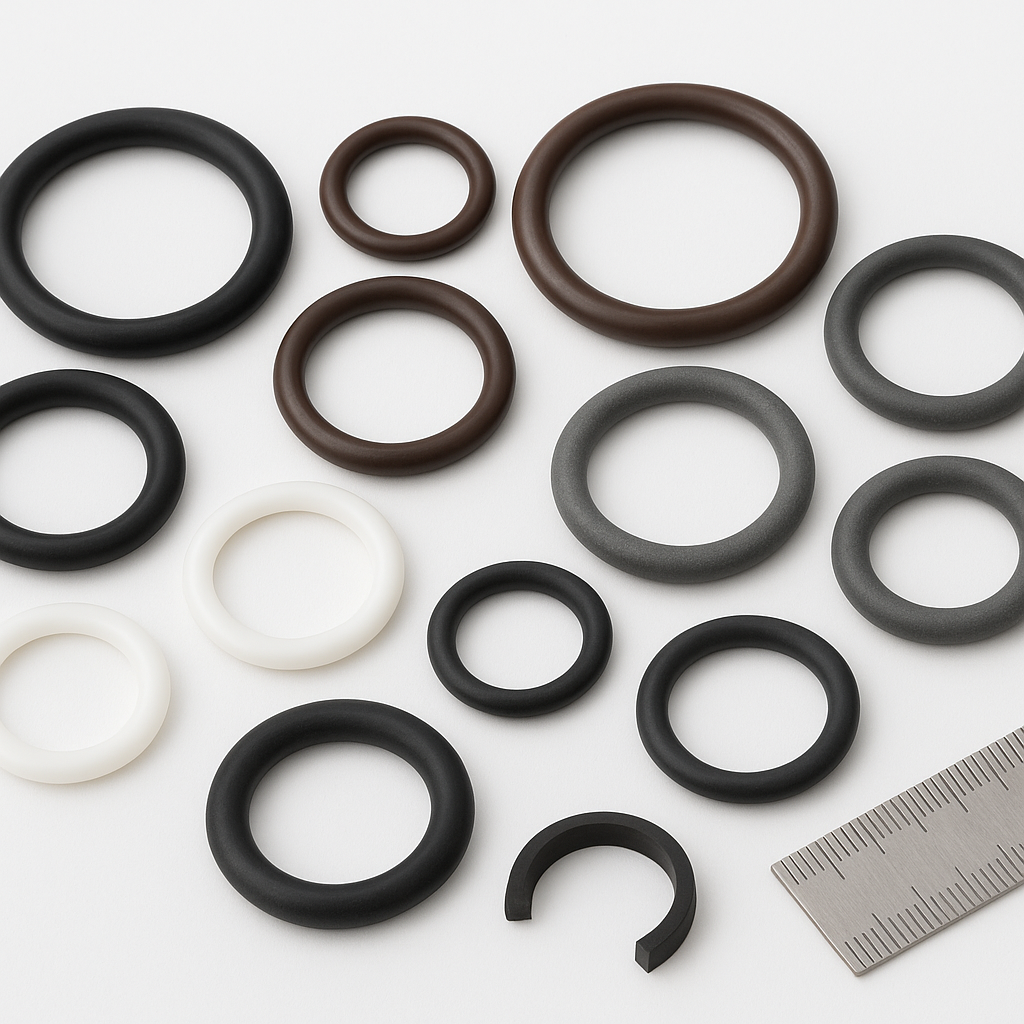
Why Material Selection Matters
The material of your o-ring determines its chemical resistance, temperature range, and lifespan. Choosing the wrong compound can lead to premature seal failure, costly downtime, and even safety hazards.
The Big Four Materials
Nitrile (NBR) is the workhorse of the o-ring world. It offers excellent resistance to petroleum-based oils and fuels at a reasonable price point. Temperature range: -40°F to +250°F.
Viton (FKM) steps in where nitrile falls short. It handles higher temperatures up to +400°F and resists a wider range of chemicals. It is the go-to choice for automotive fuel systems and chemical processing.
EPDM excels with steam, water, and brake fluids. If your application involves weathering or ozone exposure, EPDM is your best bet. Just keep it away from petroleum products.
Silicone offers the widest temperature range (-100°F to +450°F) and is FDA-compliant for food and medical applications. However, it has poor abrasion resistance and should not be used in dynamic sealing applications.
Making Your Decision
Start with the operating environment: What chemicals will the o-ring contact? What temperatures will it see? Is it a static or dynamic seal? Answering these three questions will narrow your options to one or two materials.